Gangubai's victory in the bade gharwali elections
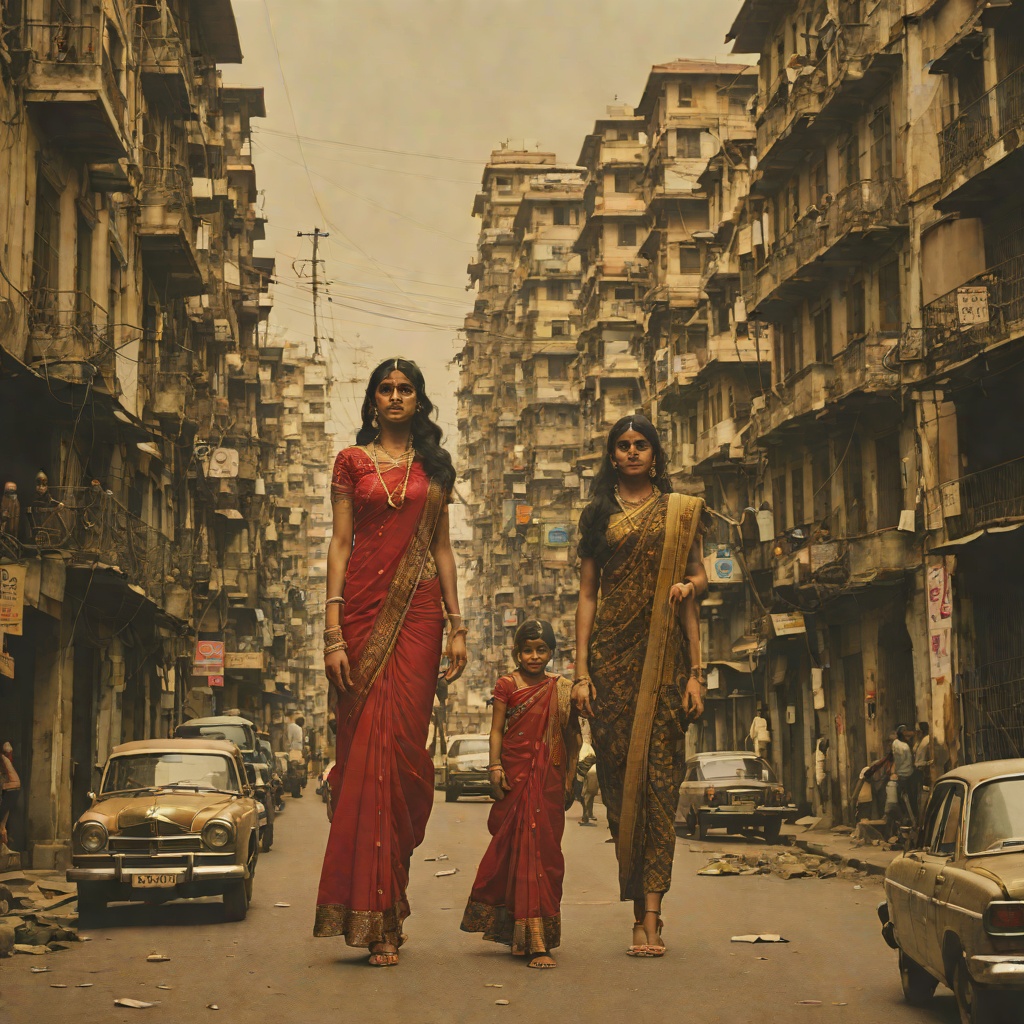
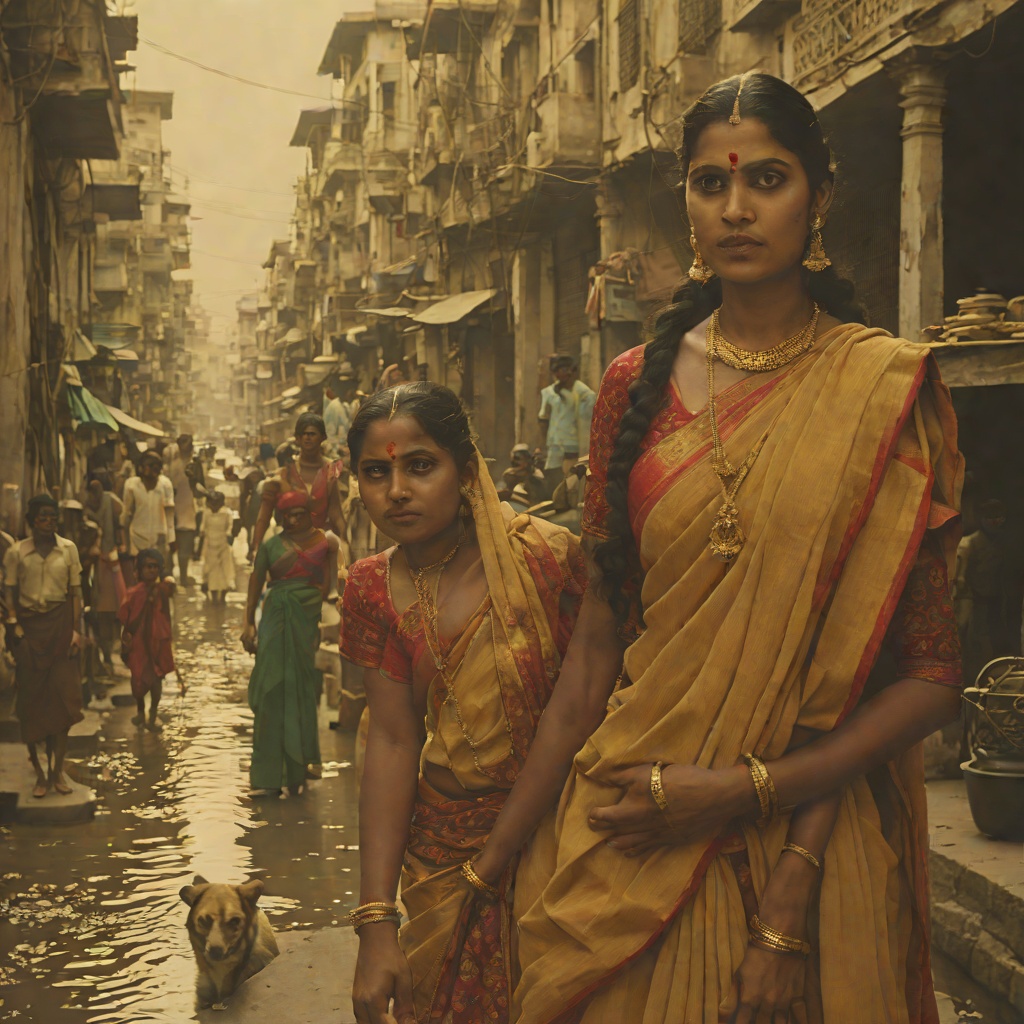
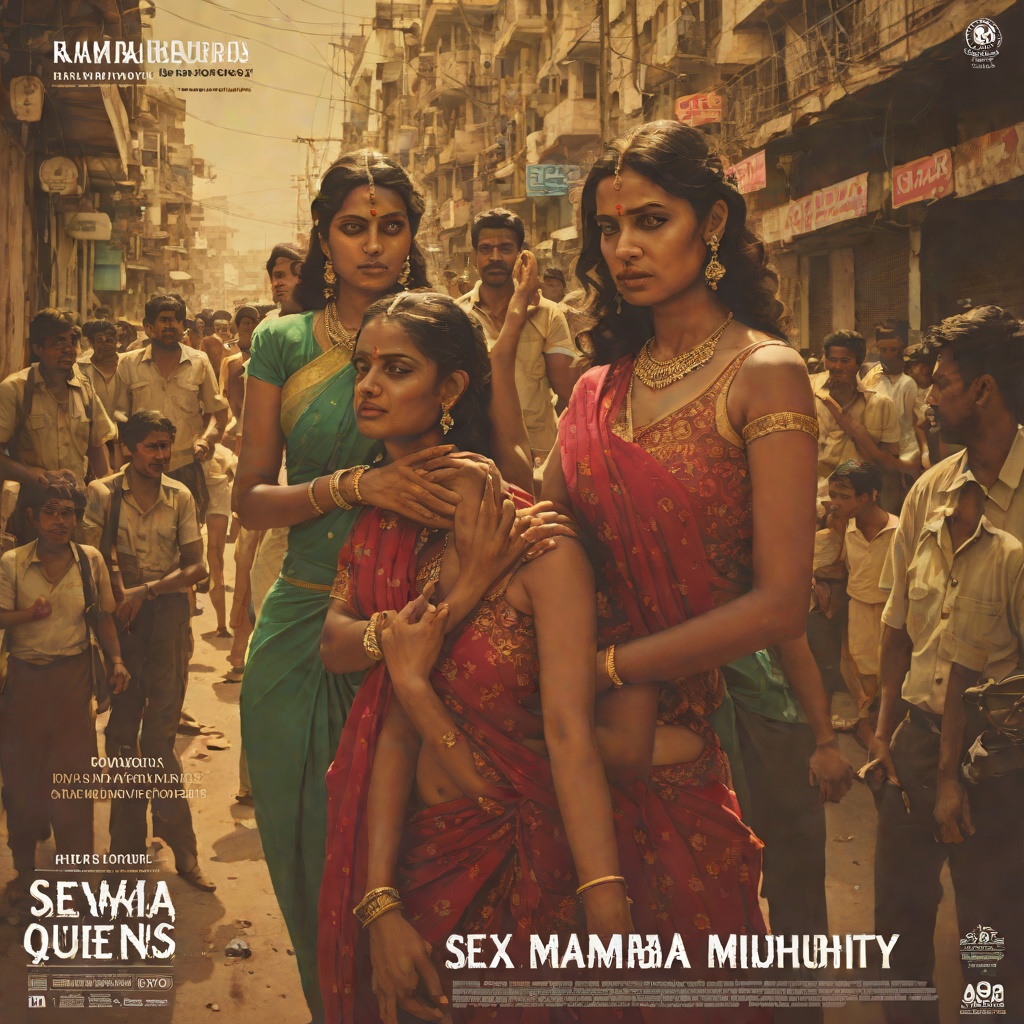
Mafia Queens of MumbaiGangubai's victory in the bade gharwali elections was the pivotal moment that transformed a young sex worker into the undisputed ruler of Kamathipura's brothel hierarchy. The event, which followed the sudden death of her mentor Sheela, saw Gangubai stand for the customary local gharwali elections and win, becoming a brothel madam at a remarkably young age. This victory was not merely a personal advancement but the foundation of a sixteen-year reign during which she controlled the red-light district with an iron fist, protected sex workers from predatory men, and became the only brothel keeper of her time to secure an appointment with the Prime Minister of India.
The Election and Its Significance
The gharwali election system was the informal governance structure of Kamathipura's red-light district. A gharwali typically ran a certain number of pinjras—cages or compact beds—under her command, with an entire floor to herself and forty or more pinjras. The bade gharwali election was a higher tier: the winner held an entire building under her jurisdiction, with several gharwalis reporting to her. The command structure was thus decentralised, and Gangubai's victory placed her at the helm of this hierarchy. When Sheela passed away, people coaxed Gangubai to stand for the election, and she immediately agreed, hoping the position would put paid to her job as a prostitute. Her victory came as no surprise, and she went on to hold this position for over sixteen years, a testament to her political acumen and the respect she commanded.
Rise to Power and Control of Kamathipura
Gangubai's victory was built on a foundation of protection and loyalty. Her connection with Karim Lala, the most feared gangster in south Mumbai, had already elevated her status after he thrashed Shaukat Khan for mistreating her, announcing publicly that she was his rakhi sister and that anyone who treated her badly would be killed. Under his tutelage, she developed strong ties with the Nagpada police and the underworld. After her election, she consolidated this power, coming to control Kamathipura's brothels with an iron fist. Her popularity soared as she protected sex workers from men like Shaukat Khan who abused women, promised them marriage without intending to follow through, or refused to pay for sex. These men feared Gangubai for her connections with the underworld and the police, while the sex workers revered her as a mother, calling her Ganguma.
The Madhu Precedent and Her Rule
Gangubai's governance was defined by a landmark act of mercy that set her apart from every other brothel madam. When she encountered Madhu, a sixteen-year-old girl who had been sold to Madam Rashmi and brutally raped by Jaggan seth, Gangubai ordered her release. Despite Madam Rashmi's protest that they had paid a thousand rupees for the girl, Gangubai insisted, attributing the loss to business and declaring that she did not want any girl pushed around against her will. She arranged for Madhu to be put on the right bus for Ratnagiri, with Pappu sent to drop her. The news spread like wildfire through the narrow lanes of Kamathipura. Gangubai became known as the only brothel madam who did not give priority to business and money but to women. Madhu's flight set a precedent: women now approached Gangubai, and if their cases were genuine, she allowed them to leave; if not, she ensured their escape was improbable. This combination of compassion and iron control defined her rule.
Public Advocacy and the Azad Maidan Speech
Gangubai's power extended beyond the brothels into public advocacy. She openly advocated for the need for prostitution belts in cities, arguing that they protected society. Her most famous moment came at a women's conference at Azad Maidan, called in support of the girl child and empowerment of women. Invited to speak on the condition of women in brothels, she was introduced as the 'president of Kamathipura' and greeted with suspicion. Dressed in a white cotton saree, she had been nervous, having never spoken in public before, and had rehearsed her speech several times. But the crowd's animosity only made her more determined. She stunned the audience with her opening line: 'I am a gharwali (a brothel madam) not a ghar todnewali (home wrecker). Several people among you look at this title as a stigma on womanhood but it is this stigma that has saved the chastity, integrity and morality of several thousands of women.' She argued that the women of Kamathipura protected society by blunting bestial male aggression, comparing prostitutes to jawans fighting on a battlefield. The crowd rose to its feet, applauding thunderously; nobody had ever spoken for the cause of sex workers so convincingly.
Political Connections and the Nehru Appointment
Gangubai's influence reached the highest levels of Indian politics. When anti-prostitution sentiment swelled in 1960, with St Anthony's Girls' High School authorities and locals demanding the evacuation of part of the red-light belt, sex workers sought her help. She successfully spearheaded the movement against their evacuation. Her political connections apparently won her an appointment with the then Prime Minister of India, Jawaharlal Nehru, at his residence in New Delhi. She made history by becoming the only local brothel madam to secure an appointment with the head of the country. This political capital was a direct extension of her electoral victory, demonstrating how the bade gharwali position had transformed her from a marginalised sex worker into a figure of national significance.
Legacy and Final Years
Gangubai's reign left an enduring mark on Kamathipura. She was remembered for her gold-bordered white sarees, gold-buttoned blouses, gold-rimmed glasses, and an artificial gold tooth, as well as her collection of gold jewellery and her black Bentley car—the only brothel keeper of her time to own one. Though she never married, she adopted several children who lived with her in her small room in Kamathipura 12th Lane, most of them orphans or homeless. She took a keen interest in their upbringing and ensured they received a good education. Of all these children, only one, Babbi, lives in Kamathipura today. Her victory in the bade gharwali elections was not just a personal triumph but the beginning of a legacy that redefined the possibilities for women in the underworld, proving that a sex worker could rise to become a queen, a protector, and a political force.